
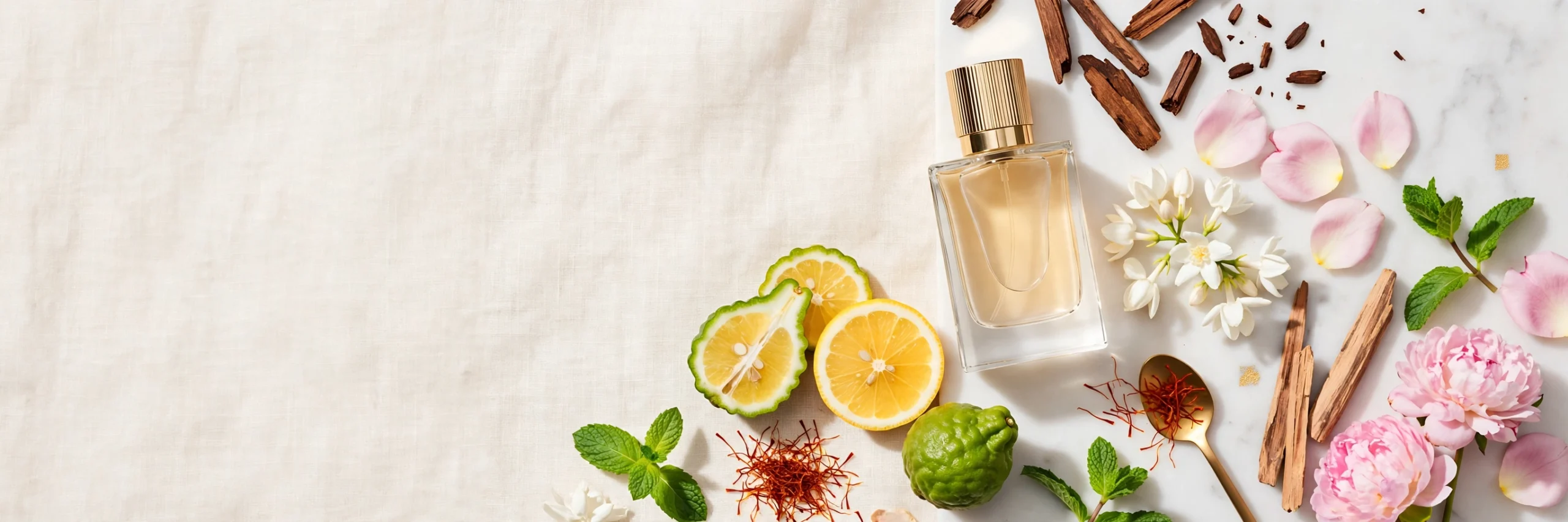
Perfume Notes Explained: Woody, Floral, Oriental and Fresh
Perfume notes are the ingredients you smell at different stages: fresh and light first, floral and fruity in the middle, and woody, musky or resinous last.

In short: Perfume notes are the ingredients you smell at different stages: fresh and light notes first, floral and fruity notes in the middle, and woody, musky, or resinous notes last. Knowing these families helps you predict how a perfume will feel over a day.
Perfume descriptions can sound like a foreign language. Woody aromatic. Spicy woody oriental. Orchard-fresh floral. If you do not know what those words mean in practice, they do not help you choose — they just make you feel out of your depth.
They are simpler than they look. A fragrance family is just a shorthand for the overall character of a scent. Once you know the four main families in this guide — fresh, floral, woody, and oriental — you can read a description and get a useful sense of what you are buying, before you ever spray it.
Top, heart, and base notes
Think of a perfume as unfolding in stages, not arriving all at once.
Top notes are the first impression, lasting minutes rather than hours. They are often citrus, light fruit, or fresh herbs. They are bright and inviting, but they fade first, especially in heat.
Heart notes are the middle of the perfume, the character you live with for the next few hours. They are often floral, fruity, or spicy. This is usually what people mean when they say they like a perfume’s smell.
Base notes are the foundation. They are often woody, musky, amber-like, or resinous, and they are what remains in the evening. If a perfume disappears completely by lunch, its base was probably too light for the day — or the perfume itself was too light in concentration.
Fresh notes: clean, bright, and light
Fresh scents smell clean, airy, and often citrusy or green. Think grapefruit, lemon, bergamot, mint, and light aquatic impressions. They are easy to wear, especially in summer, and they rarely offend anyone in a small room.

The trade-off is longevity. Fresh notes are light by nature, so they evaporate faster than woody or oriental notes. In Pakistan’s summer, a purely fresh perfume can feel wonderful at 9am and faint by noon.
That is why fresh notes work best when they are paired with a stronger base. A fresh opening over a woody base gives you brightness first and staying power later. The Light, for example, opens with grapefruit, lemon, mint, and bergamot, but its character is woody aromatic, with sandalwood, cedarwood, and amber underneath. That combination is what makes it work as an everyday scent rather than just a morning splash.
Floral notes: the heart of most perfumes
Floral is the largest family, and the most varied. Rose, jasmine, peony, and orchid can smell soft, sweet, powdery, or rich, depending on how they are used. A rose in one perfume can feel completely different from a rose in another.
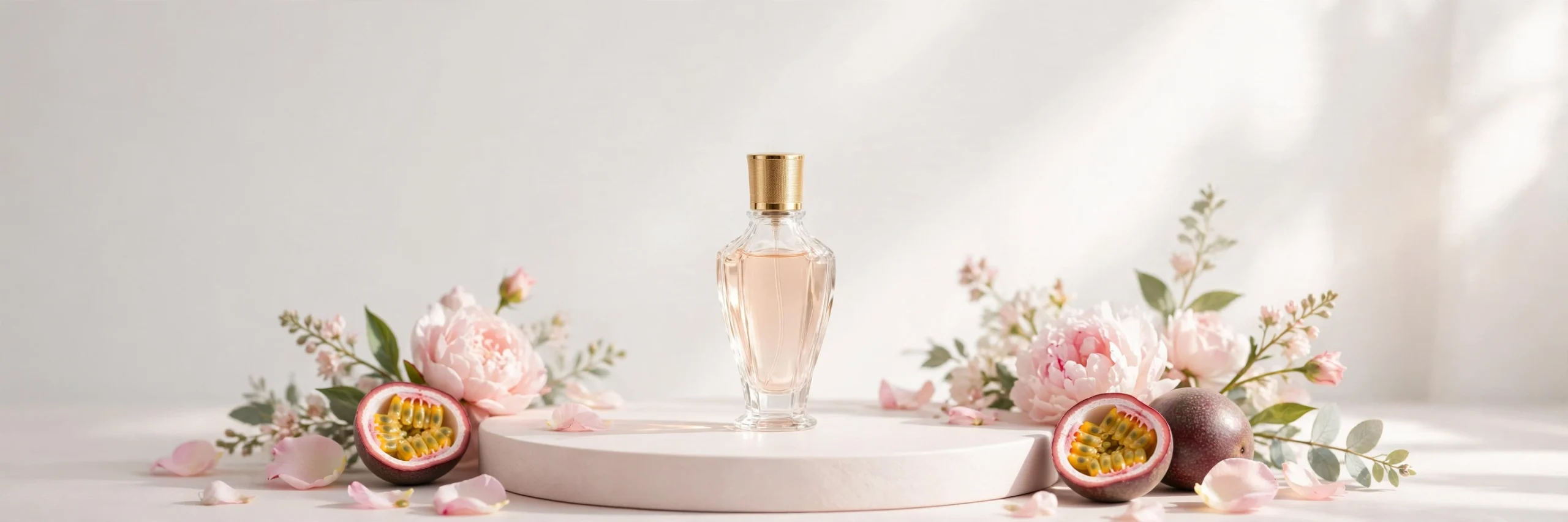
Floral scents are often associated with daytime and spring, but that is too simple. A light peony scent feels very different from a deep, spicy rose. The other notes around the flower change everything.
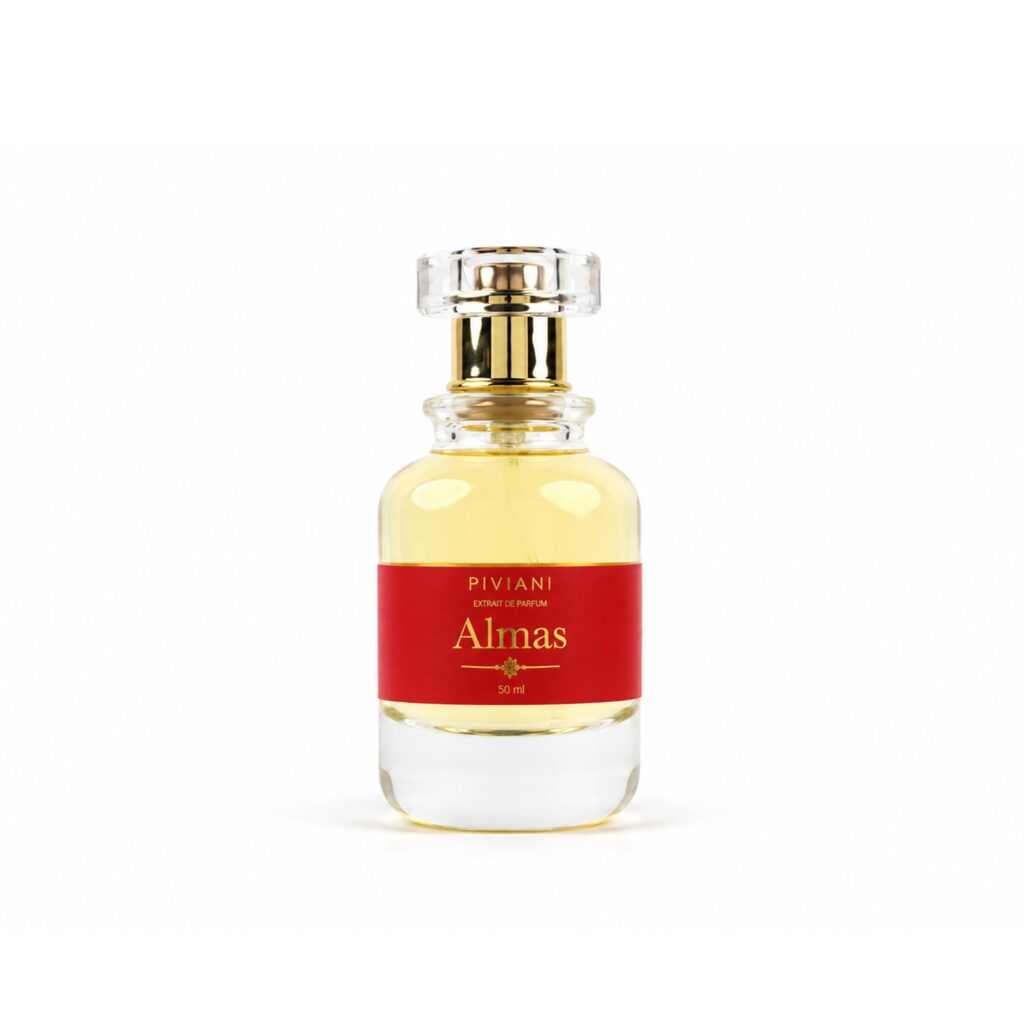
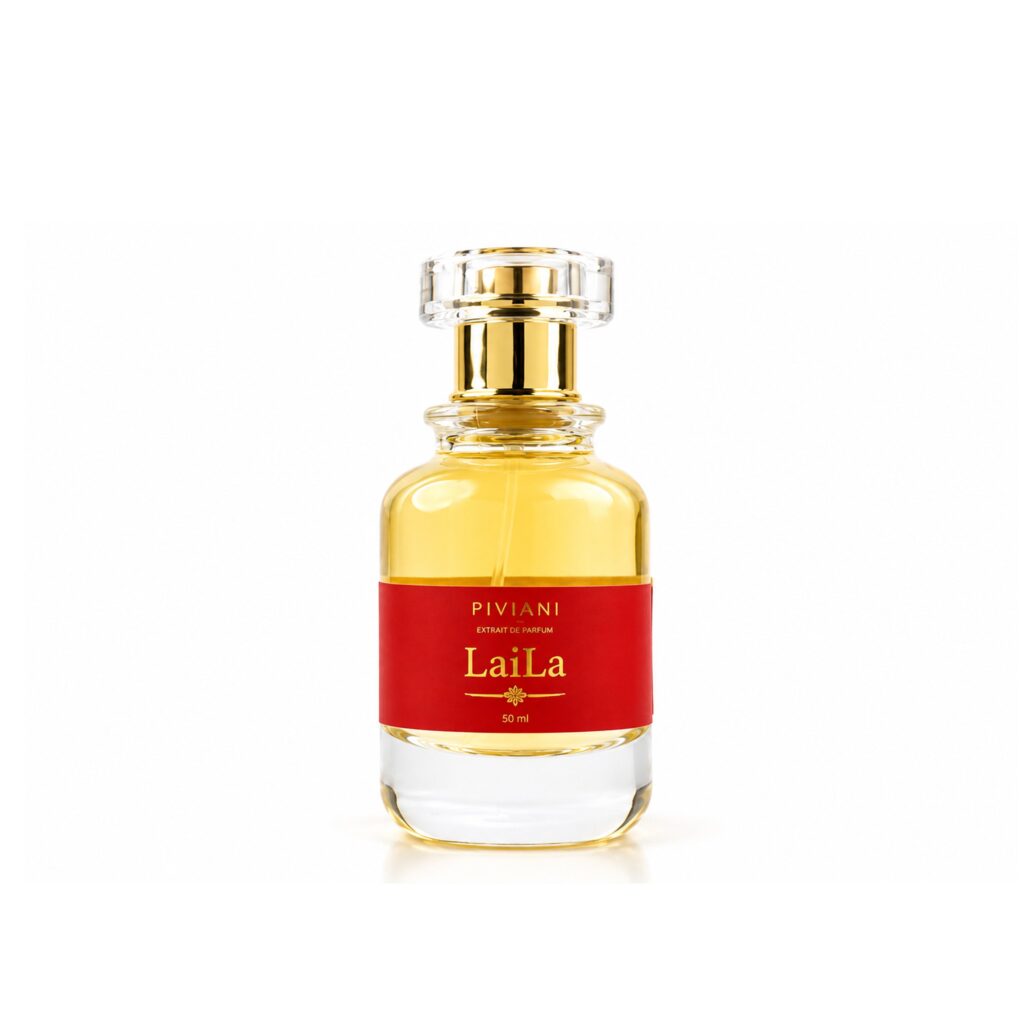
Laila is a good example of a lighter floral. It is described as orchard-fresh floral, with passion fruit, grapefruit, and pineapple in the opening, and peony, vanilla orchid, and jasmine in the heart. It feels bright and fruity-floral, suited to daytime wear. Almas is also floral, but floral woody — peony and mandarin up front, rose and osmanthus in the middle, sandalwood and patchouli underneath. The woody base gives it more warmth and depth than a purely fresh floral.
If you like floral scents but find some too sweet, look for a floral with woody or musky notes in the base. That usually tones the sweetness down.
Woody notes: warm, dry, and steady
Woody scents are built around woods and dry, warm materials: sandalwood, cedarwood, vetiver, patchouli, and cashmere wood, among others. They smell grounded and calm, rather than bright or sweet. They also tend to last longer on skin, because woody molecules are heavier than citrus ones.
That steadiness is why woody scents are so popular for everyday and office wear in Pakistan. They do not shout, they do not fade in an hour, and they work in both summer and winter, though they feel especially comfortable in cooler weather.
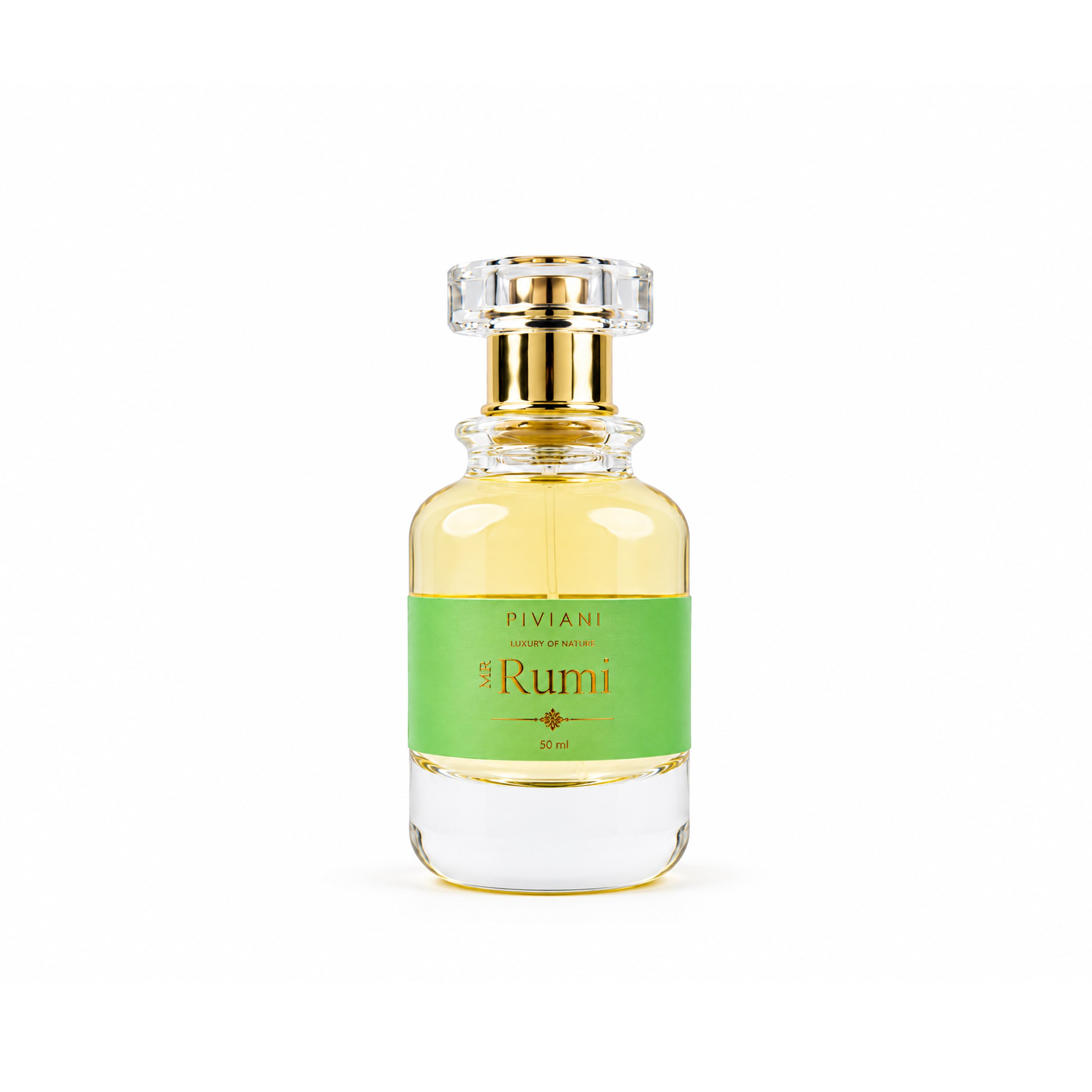
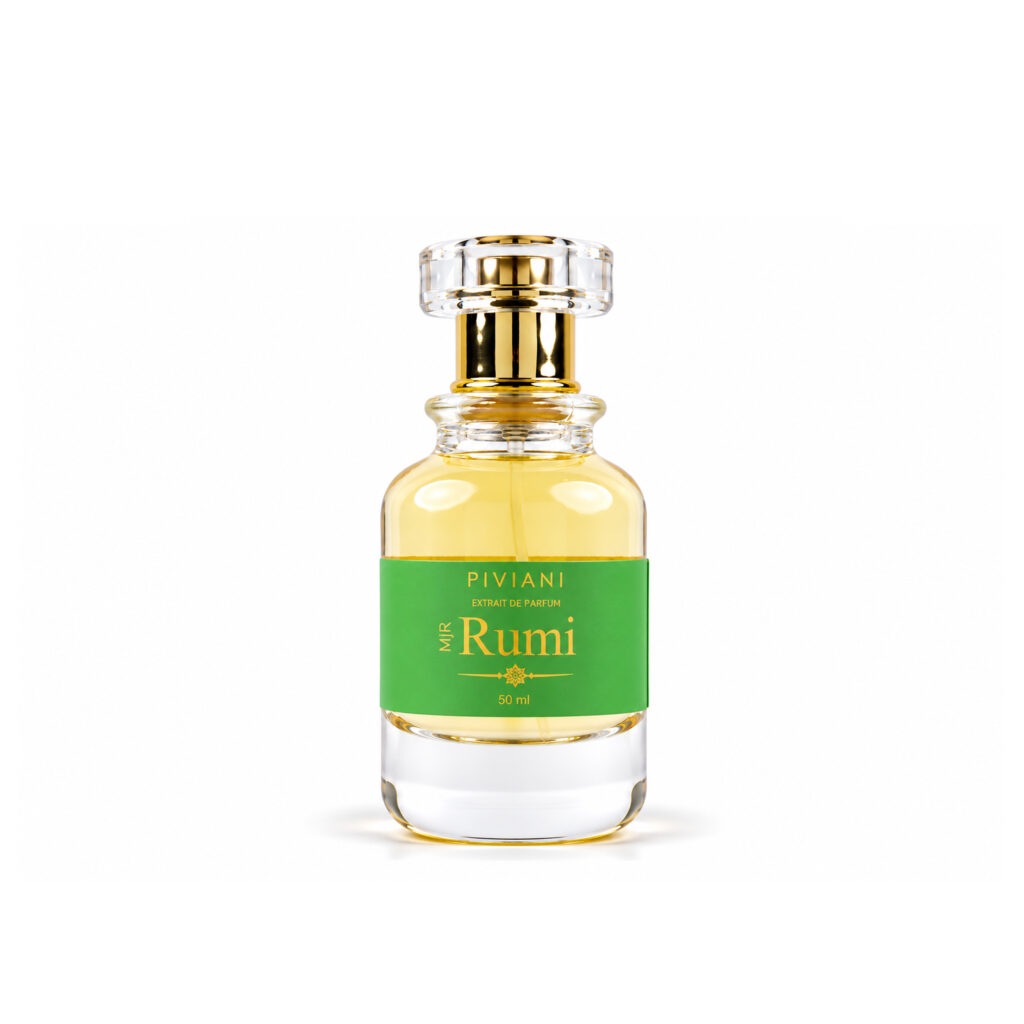
Rumi is a unisex woody aromatic, with vetiver, georgywood, akigalawood, patchouli, and ambrofix in its base character, over Thai basil and Timut pepper at the top. It is warm without being heavy, which makes it a useful example of how woody does not have to mean dark or old-fashioned. The Light is also woody aromatic, but with a fresher citrus opening, so it feels lighter at first and settles into woods later.
Oriental notes: rich, warm, and present
Oriental, sometimes called amber, is the richest family. It is built around warm, sweet, and resinous materials: amber, vanilla, oud, saffron, spices, and balsams. Oriental perfumes tend to have more presence — what people call sillage, the trail a perfume leaves behind you.
That presence makes oriental scents natural choices for weddings, Eid, and winter evenings in Pakistan, when you want a scent that holds up in a large room or outdoors. The trade-off is that they can feel too much in a small, hot, closed room in summer, or in a quiet office. A little goes a long way.
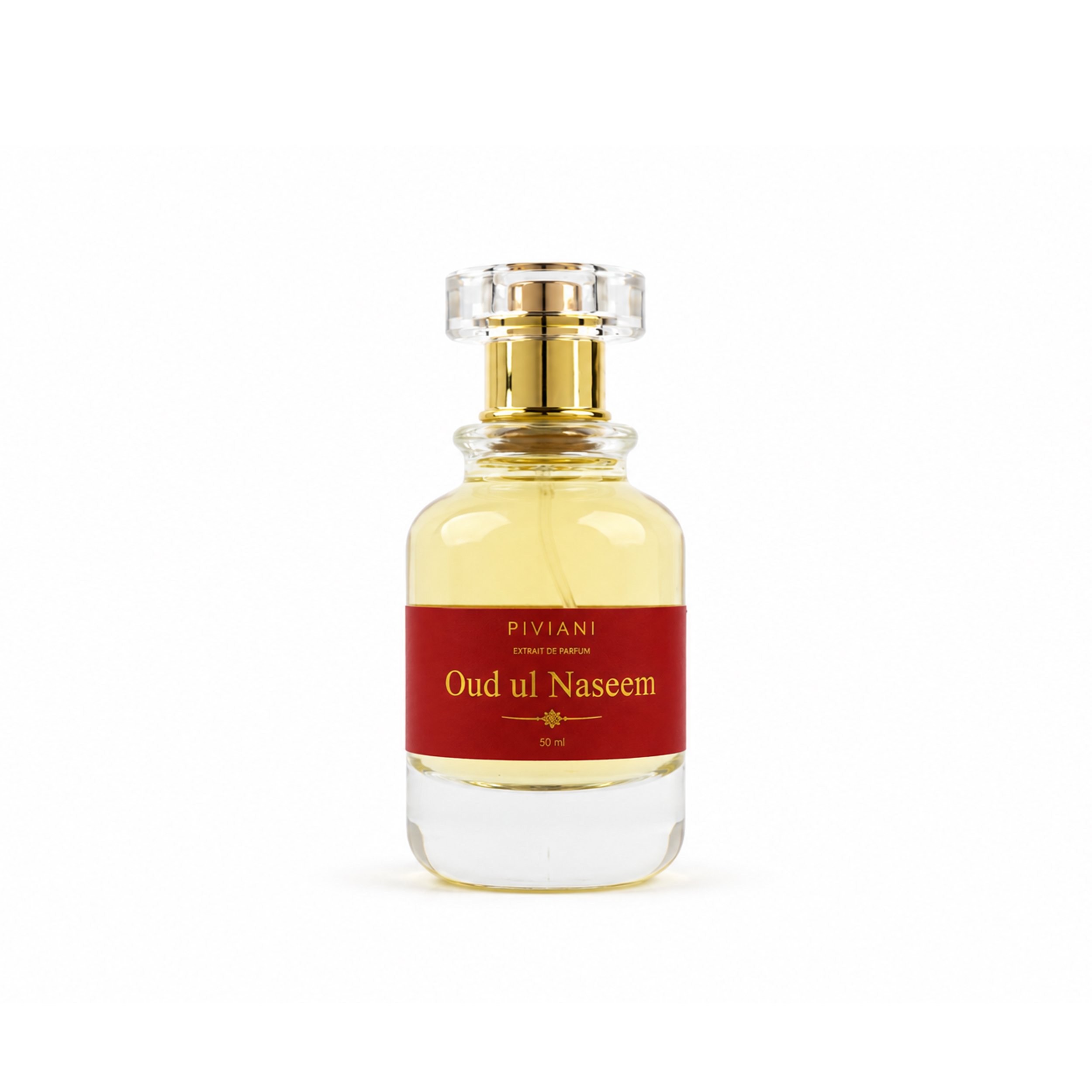
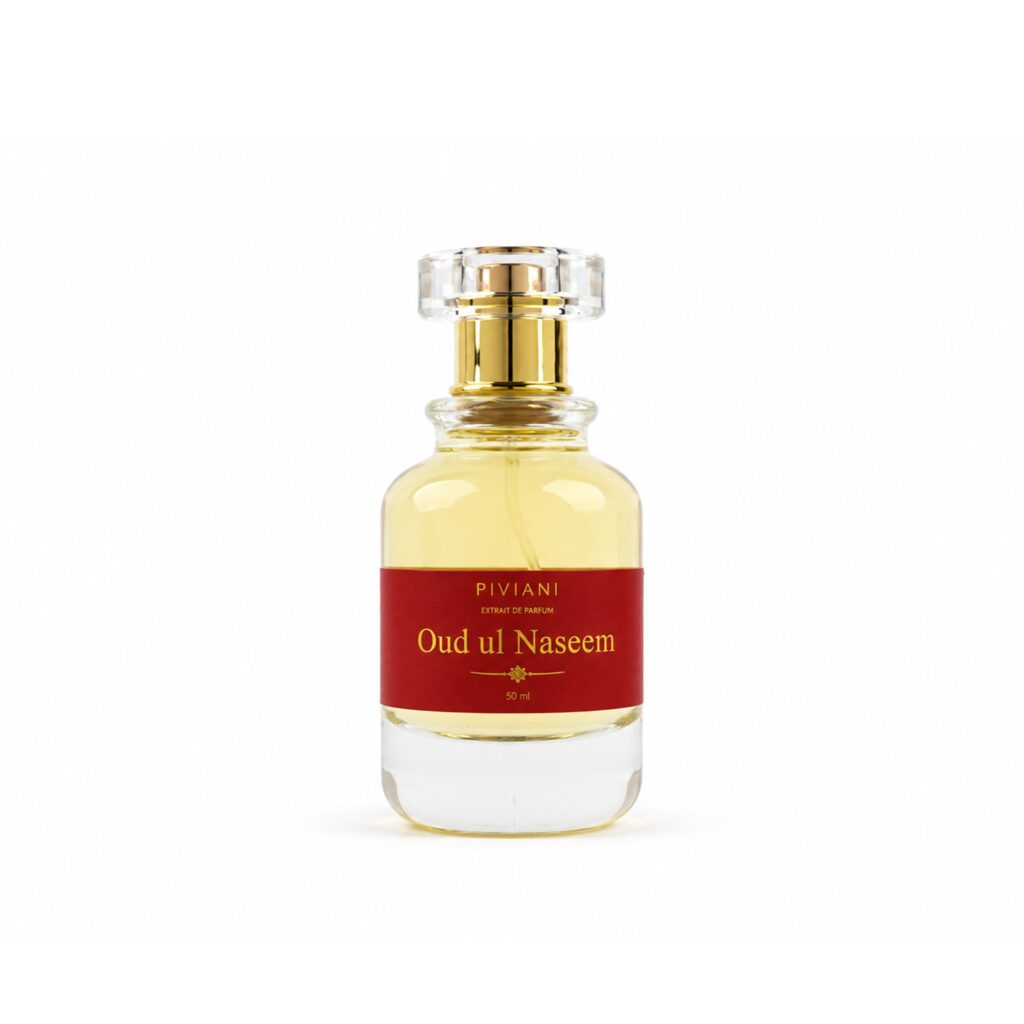
Oud ul Naseem is Piviani’s spicy woody oriental, with oud, saffron, rose, jasmine, patchouli, and amber among its notes. It is the most present scent in the range, and the one most people reach for when they want to be noticed. If you are new to oriental scents, test it in the evening first, with one or two sprays, rather than wearing it all day in summer heat.
How the families compare
| Family | Feels like | Lasting power | Best for in Pakistan |
|---|---|---|---|
| Fresh | Clean, bright, citrusy | Shorter, fades faster in heat | Summer mornings, light office days |
| Floral | Soft, sweet, romantic | Medium, depends on base | Daytime, spring, family events |
| Woody | Warm, dry, steady | Longer, holds well | Everyday, office, cooler weather |
| Oriental | Rich, warm, spicy | Longest presence | Weddings, Eid, evenings, winter |
How to use notes to choose
Start with what you already know you like. Do you reach for fresh, clean scents? Do you prefer something warm and woody? Do you love rose, or does rose feel too old-fashioned to you? Those answers narrow the field faster than any list.
Then look at the base notes, not just the opening. The base is what you will smell most of the day. If you dislike patchouli or musk, a perfume with a heavy patchouli base will probably not win you over, however nice its opening is.
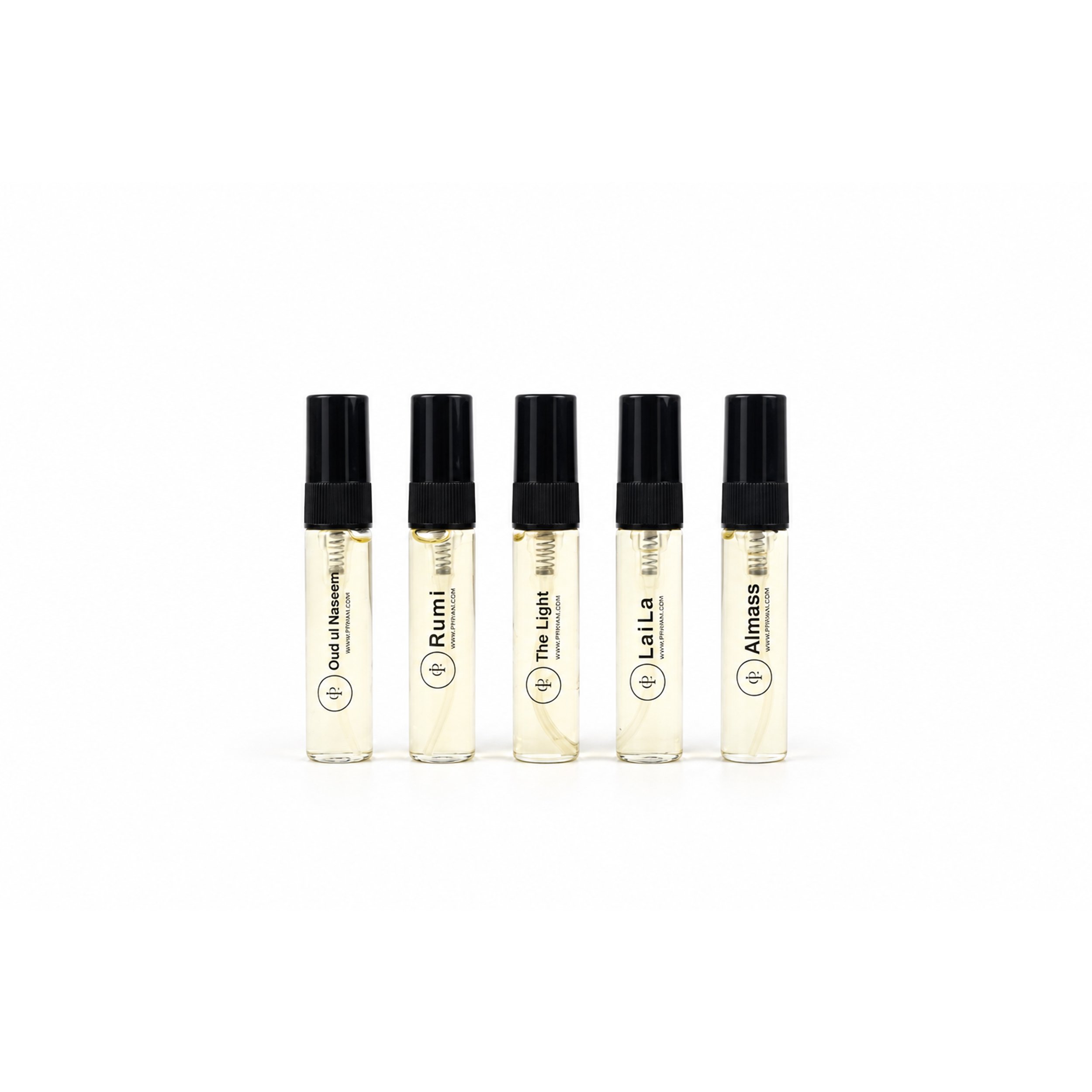
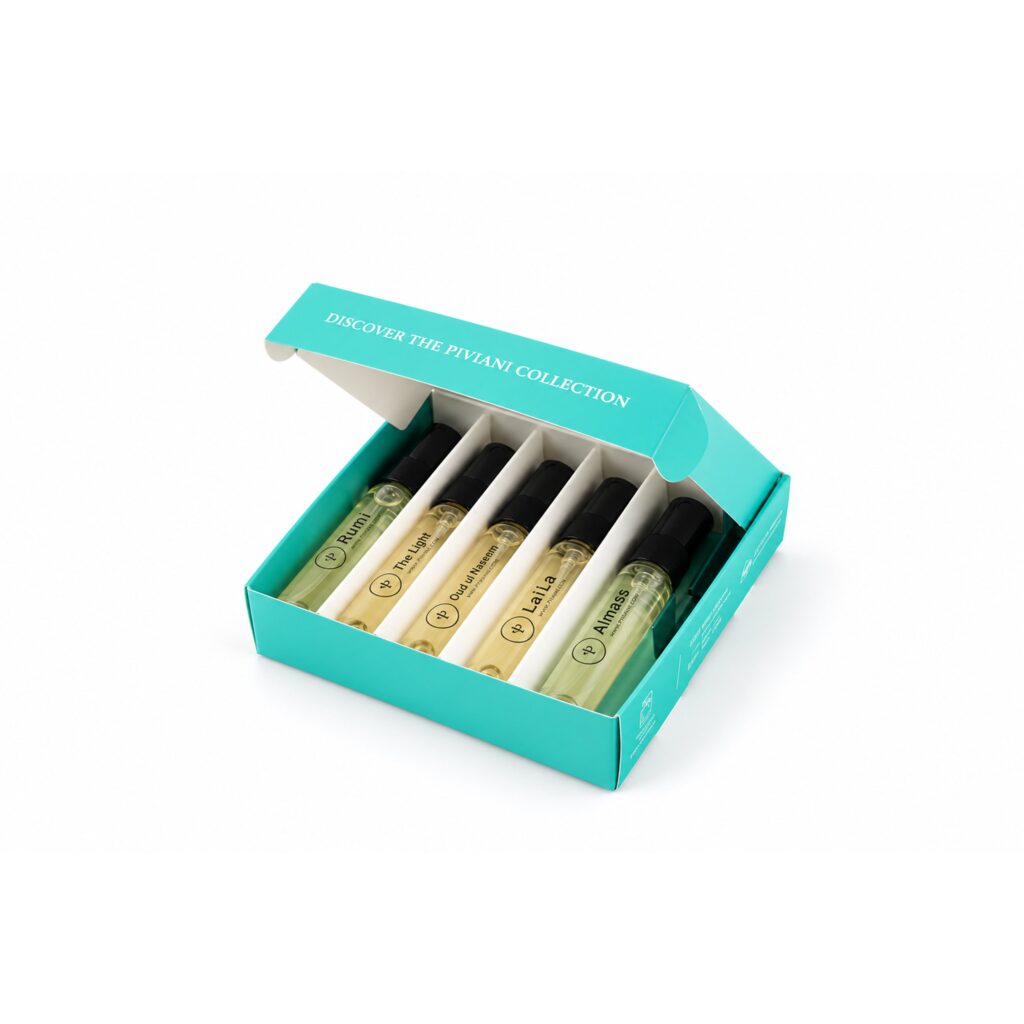
Finally, test on skin. Notes on paper are only a guide. Your skin, the weather, and the other notes in the blend all change the result. A discovery set is the practical way to do this: test each family, note what you like after a few hours, and choose from there.
Recommended products
-
Almas
Original price was: ₨ 2,880.₨ 2,600Current price is: ₨ 2,600. -
Laila
Original price was: ₨ 2,880.₨ 2,600Current price is: ₨ 2,600. -
Oud ul Naseem
Original price was: ₨ 3,025.₨ 2,750Current price is: ₨ 2,750. -
Rumi
Original price was: ₨ 3,300.₨ 3,000Current price is: ₨ 3,000. -
Tester Collection — Discovery Set (5 x 5ml)
Original price was: ₨ 1,850.₨ 1,500Current price is: ₨ 1,500.
FAQ
What are perfume notes?
Notes are the scent ingredients you notice at different stages: light top notes first, floral or fruity heart notes in the middle, and woody, musky, or resinous base notes last.
Which fragrance family lasts longest?
Generally, oriental and woody scents last longer than purely fresh scents, because their base notes are heavier. Concentration also matters — an extrait usually lasts longer than a lighter spray.
What is the difference between floral and oriental perfume?
Floral perfumes are centred on flowers like rose, jasmine, and peony. Oriental perfumes are centred on warm, rich materials like amber, oud, saffron, and spices, and usually have more presence.
Why does the same note smell different in different perfumes?
Because notes interact. Rose with citrus feels bright; rose with oud and saffron feels deep and warm. The blend, not any single note, creates the final scent.
Which Piviani perfume is woody, and which is oriental?
Rumi and The Light are woody aromatics, Laila is orchard-fresh floral, Almas is floral woody, and Oud ul Naseem is a spicy woody oriental with oud, saffron, and rose.
Learn the families, then trust your nose
Notes are a tool, not a test. They help you narrow down choices and avoid blind buying, but they do not replace wearing a perfume yourself.
Use this guide to shortlist one or two families that sound like you, then test them properly. Browse the Shop to compare the five Piviani fragrances by family, or start with the Tester Collection Discovery Set to try all five on your own skin. Delivery is free across Pakistan, with Cash on Delivery and Bank Transfer, in 3 to 5 working days.